



In the next decade, the healthcare sector is set to undergo an unprecedented metamorphosis driven by the confluence of several factors: an ageing population, ground-breaking advancements in life-sciences, the enormous potential of data-driven healthcare and generative AI. These dynamics will usher in an era demanding new business models and innovative financial approaches to effectively navigate the evolving landscape.
Breakthroughs in biotechnology, genomics and pharmaceuticals stand poised to revolutionize disease management and treatments. Emerging technologies, like CRISPR gene editing hold the promise of not only treating but curing genetic disorders, changing healthcare as we know it.
Generative AI emerges as a potent force poised to address paramount challenges within the sector, potentially revolutionizing healthcare delivery and improving aspects like access and patient experiences. The exponential growth of health-related data, catalyzed by digitalization and wearable technologies offers enormous opportunities, but what is next and how should we prioritize? In this context, the pursuit of a value-based healthcare approach takes center stage.
All this transformation will take place in a context where the difference from hospital treatments and care at home will become more blurred.
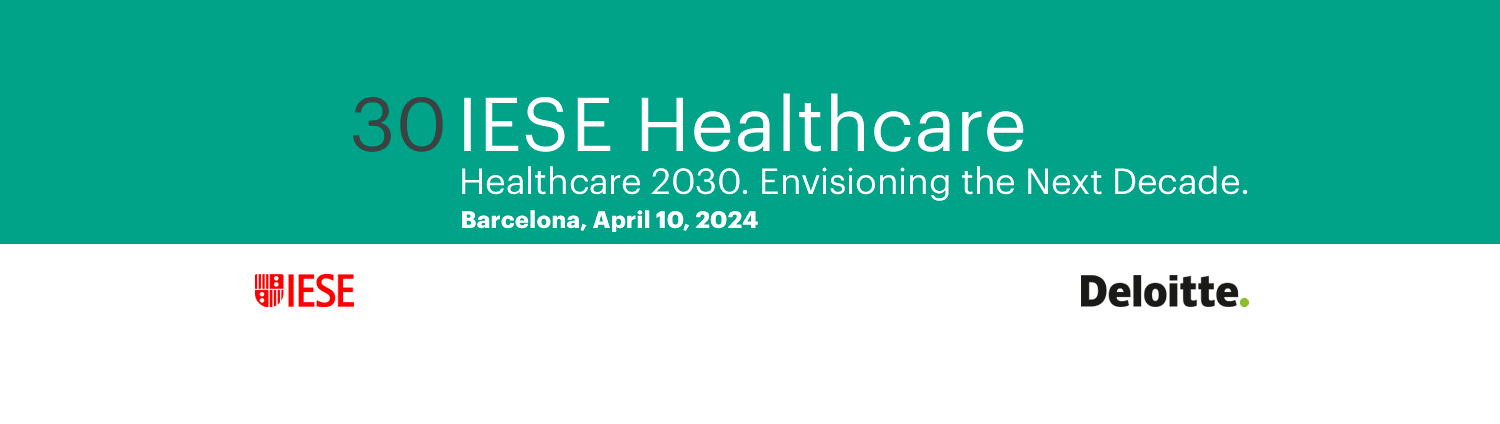
Under the lemma “Healthcare 2030. Envisioning the next decade” IESE Healthcare will reflect on the imminent challenges, innovations and unparalleled opportunities that will shape the future of healthcare. We aim to explore key questions about the future of care, technology´s role, sustainability in an ageing world, disruptive technologies in the horizon and the delicate balance between the data revolution and privacy protection. It will also bring together top experts from the sector to think about how the different agents in healthcare can work together to continue building a healthier society while leveraging the enormous potential of technology.
| 09:00-09:30 | Opening
• Juan Yermo, Director General, Farmaindustria |
| 09:30-10:00 | Global Economic Outlook. Implications for healthcare in the next decade<
Prof. Núria Mas will look at the key trends on the global economy and the new geopolitical reality and she will reflect on their implications for healthcare. |
| 10:00-10:20 | Keynote: How AI and Robotics are expanding Digital Health
The inventor of the ZEUS robotic surgical system, which performed the world’s first transatlantic surgery, the CEO of RobSurgical and the CEO of ABLE human Motion will reflect on what is next in health robotics. • Yulun Wang, Ph.D. Fellow, Teladoc Health, Co-Founder & Chairman Sovato Health, and Co-Founder & Chairman World Telehealth Initiative Moderator: Prof. Núria Mas, IESE Business School |
| 10:20-11:15 | PANEL I: Revolutionizing healthcare: the future of robotics
Robots are getting ready to redefine healthcare. From medical robots helping healthcare professionals provide smarter, more comprehensive care to their patients and changing the medical profession, to exoskeletons training the body how to move properly again, the possibilities are enormous. What is next in health robotics? • Yulun Wang, Ph.D. Fellow, Teladoc Health, Co-Founder & Chairman Sovato Health, and Co-Founder & Chairman World Telehealth Initiative Moderator: Prof. Núria Mas, IESE Business School |
| 11:15-11:45 | Coffee Break |
| 11:45-12:45 | PANEL II: Data & AI
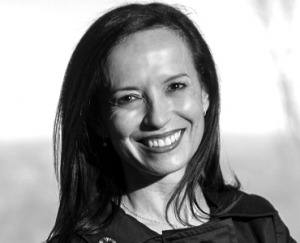
Data and AI promise a future where healthcare is proactive, personalized, and efficient, revolutionizing patient outcomes and transforming the way we approach wellness. What is coming on Gen-AI and machine learning technologies for the discovery of biologics? How can we protect patient´s data? • Cristina Dolan, CEO InsideChains, Co-Founder Additum and Board Director: WiseKey (SWX: WIHN), SEALSQ (NASDAQ:LAES), and GRIID (NEO:GRDI) Moderator: Álvaro Ortín, Partner of AI & Data, Deloitte Spain |
| 12:45-13:45 | Workshop
The topics to be discussed are: TOPIC 1: How will technology and sustainability drive future value-based healthcare models? |
| 13:45-14:45 | Lunch |
| 14:45-15:45 | PANEL III: Longevity: the change in ageing
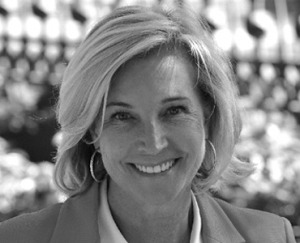
Half of today´s 5-year olds in advanced economies are expected to live to 100. Are our healthcare systems prepared? Alzheimer´s is the most common neurogenerative disease, but, with more early detection tests and a new treatments, a new era for the treatment of Alzheimer is starting. What is coming in the next decade? • Cristina Andrés-Lacueva, Professor, Icrea-Academia, Leader CIBERFES Fraily & Healthy Aging, ISCIII. Director of Biomarkers and Nutritional Metabolomic Core-University of Barcelona-TMIC-Metabolomic Innovation Center, Canada-Spain Moderator: Prof. Núria Mas, IESE Business School |
| 15:45-16:05 | Break |
| 16:05-16:30 | Presentation of the workshop conclusions |
| 16:30-17:30 | PANEL IV: Value-Based Healthcare
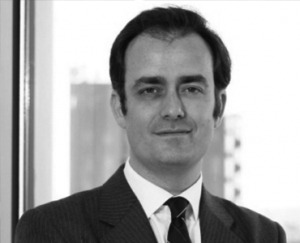
To improve both patient population health and sustainable financial outlooks, healthcare providers and companies should move towards value-based healthcare. What should be our goal? How could we transition faster to VBHC? Which are some examples of success? • Roser Fernández, Director General, Unió Catalana d’Hospitals Moderator: Rocío Arrese, Manager of Customer & Marketing, Deloitte Spain |
| 17:30-18:30 | PANEL V: Innovation for Sustainable Health
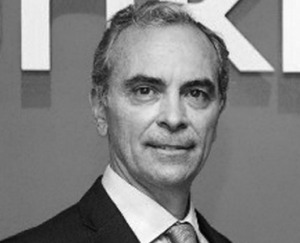
The twin challenge of increasing demand for health and social care and increasing competition for limited financial resources is impacting the health sector. How could innovation change? How should we change our mindset to move in this direction? • Manuel Barberá, Managing Director – Head of Healthcare, Corporate Banking, CaixaBank Moderator: Prof. Núria Mas, IESE Business School |
| 18:30-18:45 | Final thoughts
• Pablo Crespo, Secretary General of the Spanish Federation of Healthcare Technology Companies (Federación Española de Empresas de Tecnología Sanitaria) |
| 18:45 | Closing
• Manel Balcells i Díaz, Minister of Health of the Government of Catalonia |

Speaker

Speaker

Moderator

Speaker

Speaker

Speaker

Speaker

Speaker

Speaker

Speaker

Speaker

Speaker

Speaker

Speaker

Speaker

Speaker

Moderator

Speaker
Speaker

Speaker
Speaker
Speaker

The 30 IESE Healthcare Meeting will be held on IESE Barcelona
The fees for this meeting:
On Campus: € 1,000
Online: € 400
On Campus: € 900
Online: € 400
On Campus: € 700
Online: Free
2023 · Home is the new hospital
2022 · Byte-Medicine: the revolution of the convergence of technology and medicine
2021 · Life sciences: the engine for the recovery after COVID-19
2019 · Rising to the Challenge: Healthcare First
2018 · Working for a healthy society
2017 · Building a Sustainable Healthcare Model
2016 · Towards Value-Based Healthcare
2015 · Innovation for the New Healthcare Era
2014 · Propelling Change
2013 · Making Patient-Centric Care Happen
2012 · Value Creation and Value Sharing
2011 · Toward a Change of Model
2010 · The Healthcare Industry in 2020
2009 · Toward a New Model of Industry (Pharma) / Recognizing Value (Healthcare)
2008 · Betting on the Sector (Pharma) / Innovating With Responsibility (Healthcare)
2007 · The Global Opportunity
2006 · Contributing More (Pharma) / The Value of Technology (Healthcare)
2005 · Healing Under Pressure
2004 · Rethinking Health
2003 · Health Technologies and the Management of Health Budgets
2002 · Key Variables for Consideration
2001 · Whither the Spanish Health System?
2000 · The Market for Medical Devices in the European Union
1999 · New Millennium, New Challenges
1998 · Health Reform in Practice: New Ways to Buy and Sell
1997 · Economic Limits of Health Since 1998
1996 · Spanish Health: Reality, Change and Adjustment
1995 · Present and Future
1994 · Building From the Crisis
In contrast to the slogan of the May ‘68 protests in France “Be realistic! Demand the impossible!,” there is an urgent need to apply an idealistic approach to what is possible as thoroughly and quickly as we can in order to avoid the pessimism and frustration of the impossible. Because deep-seated tensions are brewing.
The cruel invasion of Ukraine has stirred up many neglected emotions. We read with perplexity that reform-minded Macron has called for a regulatory pause. In the same week last May, President von der Leyen, who had always been a strong supporter of the EU’s green agenda, said that attention should be paid to the capacity to absorb the new measures. Meanwhile, a new political party, BBB, a farmer-citizen group, suddenly came to the forefront in the Netherlands by becoming the most voted party. This coincided with the protests of the Yellow Vests in neighboring France.
Looking further afield, we saw India’s energy minister calling for the prioritization of growth (i.e., reducing poverty) over decarbonization. India also planned to imitate the practices of China, which have made the country responsible for approximately 30% of emissions. In this context, the BRICS countries now account for 50% of emissions compared to approximately 30% by the OECD countries. However, these figures would look different if we examined our responsibility for cumulative carbon emissions in the atmosphere.
Moreover, the security of each link in the value chain of competitive primary energy supply, critical raw materials and technologies in use is once again of primary importance. They are now being brandished as a sign of strategic power. All this is eroding the framework of trust in the value chains and their planetary logistics routes, which used to be held up by sound agreements in support of multilateralism. The world map is once again divided into blocs of many different colors.
The location of mines of critical raw materials, the refineries where they are processed and the plants where technology goods are manufactured have suddenly become highly relevant. Along these lines, The United States’ recent Inflation Reduction Act (IRA) and current discussions in Australia on how to control the industry of critical materials processing highlight the new concerns that will certainly delay and increase the cost of the colossal transformation involved in the decarbonization of society.
However, the relevant provision of global public goods such as peace, health, food security, prosperity leading to the elimination of poverty, and decarbonization will not be possible without multilateral cooperation among sovereign states.
How should these movements be interpreted in Europe, where public opinion is so decisive when it comes to legitimizing political action? Initiative, power and the economy have always been delicate matters and the essential ingredients of any government of citizens. For these subjects with dignity, rights and obligations, the pendulum of power has always swung between the idealistic opportunity of achieving the impossible and the art of doing what is possible. Although this second option almost always lacks epic, lyrical appeal, when it is implemented with realistic ambition, it can achieve historic heights of social progress while avoiding the convulsions engendered by frustration with the unattainable. When doubts arise, finding inspiration in the nearly 30 centuries of Pharaonic Egyptian history is highly recommended.
We should therefore make a distinction between the goals (besides the necessary and urgent ones) that can be considered achievable and the ones that are unfortunately not currently achievable, either because the enabling technologies are not available (2022 update of the IEA’s Tracking Clean Energy Progress) or, as in other cases, due to the sovereign decision of states.
Having reached this point, by making use of all the technological options available, based on the principle of technology neutrality, and by working smart at a steady pace, let’s take a cold hard look at the priorities that should form part of the idealism of the possible.
| 14:45-15:15 | Registration of participants |
| 15:15-15:45 | Opening
• Prof. Juan Luis López Cardenete, Academic Director of the Meeting, IESE Business School |
| 15:45-16:55 | Electricity: For the rapid, comprehensive decarbonization of electricity with greater competitiveness and sovereignty.
• Pedro Linares, Professor, ETS-ICAI, Universidad Pontificia Comillas Moderator: Prof. Juan Luis López Cardenete, IESE Business School |
| 16:55-17:25 | Coffee break |
| 17:25:-17:55 | Interview
• Ana Palacio, Former Minister of Foreign Affairs for Spain and visiting professor at Edmund Walsh School of Georgetown University Moderator: Prof. Juan Luis López Cardenete, IESE Business School |
| 17:55:-18:40 | Efficiency: How energy efficiency and energy intensity are contributing to the ET.
• Iñigo Bertrand, CEO, Edison Next Moderator: José María Calvo-Sotelo, Associate Professor of Decarbonization, IE Business School |
| 18:40-19:25 | Technology: Nuclear fusion and nuclear fission in the 30-year outlook.
• Sehila Gonzalez de Vicente, Global Director, Fusion Energy (CATF) Moderator: Florentino Portero, Senior International Policy Analyst, CIVISMO Foundation |
| 19:25-20:25 | Regulatory predictability, administrative simplicity and legal certainty.
• Mariano Bacigalupo, Professor of Energy Law at UNED Moderator: José María Elias de Tejada, Deloitte Spain |
| 08:30-09:00 | Registration of participants |
| 09:00-09:40 | Opening
• Prof. Juan Luis López Cardenete, Academic Director of the Meeting, IESE Business School |
| 09:40-10:50 | Markets: The pressing need to develop long-term markets.
• Carmen Becerril, President, OMI Group Speaker and moderator: Laureano Álvarez, Deloitte Spain |
| 10:50-11:20 | Coffee break |
| 11:20-12:30 | Renewable energy, industry and overland transport: When will industry and overland transport be decarbonized? The policies and technologies that are driving the process.
• Luis Cabra, EMD Energy Transition, Technology, Institutional Affairs & Deputy CEO, Repsol Moderator: Prof. Massimo Maoret, IESE Business School |
| 12:30-13:30 | Geopolitics: The EU: between eagles and dragons*.
• Alicia García Herrero, Chief Economist for Asia Pacific, Natixis Moderator: John Müller, ABC Journalist |
| 13:30-14:50 | International rivalry over attracting investors.
• Juan Caño, Managing Director, MACQUARIE Speaker and moderator: Jaume Pujol, Deloitte Spain |
| 15:00-16:10 | Lunch |
| 16:10-17:20 | National Integrated Energy and Climate Plan (PNIEC): Networks and storage
• Luis Atienza, President, Grupo Argo Capital Moderator: Oliverio Álvarez, Deloitte Spain |
| 17:20-18:30 | Difficult-to-decarbonize sectors: Hydrogen, renewable gases and CCS.
• Javier Contreras, Managing Director, Nortegas Moderator: Ana Sánchez Palacios, Deloitte Spain |
| 18:30 | Closing
• Prof. Juan Luis López Cardenete, IESE Business School |
* Title inspired by the book by Emilio Lamo de Espinosa

Co-organizer of the Meeting

Speaker and moderator

Speaker

Speaker

Speaker

Speaker

Speaker
Speaker

Moderator

Speaker

Speaker

Speaker

Speaker

Speaker

Speaker

Speaker

Moderator

Speaker

Speaker

Speaker

Speaker

Speaker

Speaker

Speaker

Speaker
Speaker
Speaker

Speaker

Speaker
Speaker
Speaker

Speaker

Speaker

Speaker

Speaker

Speaker

Speaker

Moderator
Speaker
Speaker and moderator

Speaker

Speaker

Moderator

Speaker

Speaker

Speaker
The 21 IESE Energy Meeting will be held on IESE’s new campus in Madrid
The fees for this meeting:
On Campus: € 1,000
Online: € 400
On Campus: € 900
Online: € 400
On Campus: € 700
Online: Free
If you want to benefit from a 10% discount,
send an email to cescobar@iese.edu


2023 · Let’s Save the Energy Transition – It’s in Danger!
2022 · Energy Transition: Towards a Holistic Strategy
2021 · The post-COVID Energy Transition: same goals, different policies
2020 · An Industry in Transition
2019 · Dimensions for an Effective Energy Transition
2018 · Game changers in the Global Energy System
2017 · Energy Architecture in Transition
2016 · Human Well-being, Growth and Energy Access: New Governance for a Unique Challenge
2015 · The Future of Energy: Who Calls the Shots?
2014 · Quo Vadis, Europe? Shedding Light on an Energy Policy beyond the Electrical Sector Reform
2013 · A New Energy Policy as a Global Paradigm Shift Emerges
2011 · The Impact of the Energy Policy on the Sector’s Competitiveness
2009 · A Debate on the Spanish Energy Sector
2004 · Energy Liberalization and Consolidation in Europe
2002 · A Shift Towards the Convergence of Energy Markets
2000 · Mergers and Strategic Alliances: The Creation and Conquest of the Future
It may have once seemed contradictory to use the words “flexibility” and “real estate” in the same sentence, but not anymore. It has now become a real necessity.
The current state of constant flux and steady stream of different external events have forced us to rethink products, strategies and organizations.
This kind of analysis was common in a number of sectors and an imperative in many others.
Because of our clients’ new reality, changing needs and new approaches to city life, there is now a growing need to perform this kind of in-depth analysis in the real estate industry. This has made it necessary for industry managers to be ready to adapt to change at all times.
At this year’s Industry Meeting, the top-level speakers we’re known for will discuss innovation in the real estate industry and procedures to deliver dynamic, flexible insights from a range of different perspectives and ensure participants get the most out of the meeting.
| 09:00-09:15 | Opening
• Prof. José Luis Suárez, Academic Director of the Meeting, IESE Business School |
| 09:20-10:05 | Real estate innovation: Strategies for adapting to new dynamics and trends
In this session, we’ll discuss different real estate strategies in response to the changing demands of society. Some of the drivers of these changes are the evolution of cities, changing habits, the need for remodeling, climate change in terms of mitigation and adaptation, and energy efficiency. • Javier Faus, Chair, Meridia Moderator: Prof. Carles Vergara, IESE Business School |
| 10:10-10:35 | Academic perspective on the challenges of the real estate sector
Prof. Vergara will talk about the technological, energy efficiency, transportation, financing, and affordability challenges in the sector. These issues need a holistic approach, creating various business opportunities for the industry. • Prof. Carles Vergara, IESE Business School |
| 10:45-11:15 | Coffee Break |
| 11:20-11:55 | Housing market outlook
• Francisco Javier Pérez Medina, CEO, Culmia Moderator: Prof. José Luis Suárez, IESE Business School |
| 12:00-13:15 | Comparing cycles in the services sector
The different segments of the services sector have not all been affected in the same way by recent events in geopolitics, Covid, the rise in interest rates and technological disruption. Some of them have shown similar effects at certain times, whereas others have been affected at other times. In this session, we’ll identify each segment’s current point in the cycle. |
| 12:00-12:20 Interview
• Fernando Bautista, Managing Director, Blackstone |
|
| 12:30-13:15 Panelists
• Alfonso Brunet, CEO, Castellana Properties Moderator: Alejandro Campoy, Managing Director, Savills |
|
| 13:25-14:35 | Workshops
On-campus participants will be divided into two groups to discuss different agenda items. You’ll be able to indicate your workshop preference when you register. You can also inform us if you don’t want to participate. Groups will be organized on a first-come, first-served basis in terms of seating capacity to encourage active participation of attendees. The topics to be discussed are: 1. Different formats: co-, flexi- and senior living In this workshop, we’ll discuss different trends and new housing formulas, all of which end in “living,” and will decide which one will be the most common. We’ll also talk about housing accessibility. • Juan Antonio Gómez-Pintado, Chair, Vía Ágora Moderator: Prof. José Luis Suárez, IESE Business School 2. Technology has finally arrived in real estate Every link along the value chain has been affected by technological changes in recent years and, although not all companies have embraced them in the same way, it’s only natural to conclude that their influence will increase. What elements will be affected the most? To what extent? Will artificial intelligence play a role? • Jorge Pérez de Leza, CEO, Metrovacesa Moderator: Prof. Carles Vergara, IESE Business School |
| 14:45-15:45 | Lunch and appetizers |
| 16:00-16:45 | New operator requirements: what do they ask of real estate?
The evolution of operators is leading to new requirements in real estate. In this session, operators will explain their demands on new products, formats and models to real estate representatives. • Juan Abarca, Chair, HM Hospitales Moderator: Belén Dávila, Key Account Manager, Tinsa Spain |
| 16:55-17:40 | Rising interest rates: impact on debt and equity
Is the current rise in interest rates here to stay? What impact is it having on real estate? In this session, the panelists will discuss the effect on project feasibility, asset and company valuations, availability of funds, alternative and bank financing, and how the flow of funds to real estate has been altered. • Juan José Brugera, Chair, Inmobiliaria Colonial Moderator: Susana Rodríguez, Chief Commercial Officer, Savills |
| 17:45 | Closing
• Mr. José Luis Martínez-Almeida Navasqüés, Mayor, Madrid Local Government |

Academic Director

Speaker

Speaker

Speaker

Speaker

Speaker

Speaker

Moderator

Speaker

Speaker

Speaker

Speaker

Speaker

Speaker

Speaker

Speaker

Speaker

Speaker

Speaker

Speaker

Speaker

Speaker

Speaker

Speaker

Moderator
The 10 Real Estate Meeting will be held on IESE’s new campus in Madrid
The fees for this meeting:
On Campus: € 1,000
Online: € 400
On Campus: € 900
Online: € 400
On Campus: € 700
Online: Free
If you want to benefit from a 10% discount,
send an email to cescobar@iese.edu
2023 · Real Estate: winning strategies in uncertain times
2022 · Building social sustainability
2021 · The art of evolving
2020 · Real Estate in a Changing Society
2019 · The New Normal in Real Estate
2018 · Where Are We in the Real Estate Cycle
2017 · Real Estate and Society
2016 · The Renovation of the Real Estate Industry in Spain
A series of top-level conversations on the economic, technical and scientific conditions anticipated in the future of the energy industry.
Energy Prospectives will bring together world figures recognized for their experience, vision and knowledge of the energy industry so they can share their expertise with business owners, regulators, senior managers and academics.
Don’t miss the video with the most relevant contributions and reflections from the previous edition. See video
| 08:30 | Opening
• Prof. Jordi Gual, IESE Business School |
| 08:45 | Shaping the Future: regulatory perspectives on the energy transition
• Christian Zinglersen, director of the EU Agency for the Cooperation of Energy Regulators (ACER) Colloquium moderated by Prof. Jordi Gual, IESE Business School |
| 10:00 | Closing |

Speaker

Speaker
Live Online & On Campus – IESE Madrid
Claudia Escobar
cescobar@iese.edu
IESE Industry Meetings
tel: +34 93 253 43 36
The 13 Energy Prospective will be offered simultaneously on campus, attendance only by invitation, and online.
The fees for this meeting:
Online: Free
On Campus: Exclusively by invitation
Online: Free
On Campus: Exclusively by invitation
Online: Free
On Campus: Exclusively by invitation


ANDRIS PIEBALGS

JORGE PADILLA

CHRISTOPHER JONES

IGNACIO PÉREZ-ARRIAGA

MICHAEL LIEBRIECH

CLAUDIO ARANZADI
April 12, 2023 · Energy Prospectives – EP#12
November 4, 2022 · Energy Prospectives – EP#11
June 16, 2022 · Energy Prospectives – EP#10
March 17, 2022 · Energy Prospectives – EP#9
October 26, 2021 · Energy Prospectives – EP#8
June 9 de 2021 · Energy Prospectives – EP#7
March 16, 2020 · Energy Prospectives – EP#6
November 25, 2020 · Energy Prospectives – EP#5
July 14, 2020 · Energy Prospectives – EP#4
October 15, 2019 · Energy Prospectives – EP#3
June 20, 2019 · Energy Prospectives – EP#2
March 14, 2019 · Energy Prospectives – EP#1
There are no more places available on campus, sign up online and follow the entire session live. If before the date of the session the capacity is extended, we will notify you first to those registered online. Thank you very much (limited capacity)
A series of top-level conversations on the economic, technical and scientific conditions anticipated in the future of the energy industry.
Energy Prospectives will bring together world figures recognized for their experience, vision and knowledge of the energy industry so they can share their expertise with business owners, regulators, senior managers and academics.
Don’t miss the video with the most relevant contributions and reflections from the previous edition. See video
| 09:30 | Inauguration
• Prof. Franz Heukamp, IESE Business School |
| 09:45 | Politics and Energy
Felipe González and José María Aznar Colloquium moderated by Núria Mas, IESE Business School professor |
| 11:30 | Closing ceremony
• Rafael Villaseca, President of the Naturgy Foundation |
| 11:45 |
Networking coffee |
Live Online & On Campus – IESE Madrid
Claudia Escobar
cescobar@iese.edu
IESE Industry Meetings
tel: +34 93 253 43 36
The 12 Energy Prospective will be offered simultaneously on campus, attendance only by invitation, and online.
The fees for this meeting:
Online: Free
On Campus: Exclusively by invitation
Online: Free
On Campus: Exclusively by invitation
Online: Free
On Campus: Exclusively by invitation


ANDRIS PIEBALGS

JORGE PADILLA

CHRISTOPHER JONES

IGNACIO PÉREZ-ARRIAGA

MICHAEL LIEBRIECH

CLAUDIO ARANZADI
November 4, 2022 · Energy Prospectives – EP#11
June 16, 2022 · Energy Prospectives – EP#10
March 17, 2022 · Energy Prospectives – EP#9
October 26, 2021 · Energy Prospectives – EP#8
June 9 de 2021 · Energy Prospectives – EP#7
March 16, 2020 · Energy Prospectives – EP#6
November 25, 2020 · Energy Prospectives – EP#5
July 14, 2020 · Energy Prospectives – EP#4
October 15, 2019 · Energy Prospectives – EP#3
June 20, 2019 · Energy Prospectives – EP#2
March 14, 2019 · Energy Prospectives – EP#1
A series of top-level conversations on the economic, technical and scientific conditions anticipated in the future of the energy industry.
Energy Prospectives will bring together world figures recognized for their experience, vision and knowledge of the energy industry so they can share their expertise with business owners, regulators, senior managers and academics.
Don’t miss the video with the most relevant contributions and reflections from the previous edition. See video
| 09:30 | Opening session
• Prof. José Luis Suárez, Director of IESE Business School in Madrid |
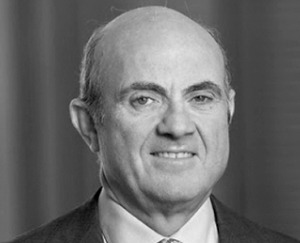
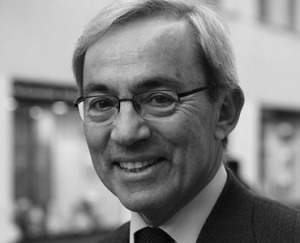
| 09:45 | Workshop Energy transition, impact on the economy and the labour market• Luis de Guindos, vice-President of the European Central Bank and former Minister of Economy, Industry and Competitiveness • Christopher Pissarides, professor at the London School of Economics and Political Science. Nobel Prize in Economic Sciences, 2010 Moderator: Prof. Jordi Canals, IESE Business School |
| 11:45 | Closing
• Rafael Villaseca, Chairman of the Naturgy Foundation |
| 12:00 | Nertworking cocktail |
Simultaneous translation in English and Spanish in all sessions.
Speaker
Live Online & On Campus – IESE Madrid
Claudia Escobar
cescobar@iese.edu
IESE Industry Meetings
tel: +34 93 253 43 36
The 11 Energy Prospective will be offered simultaneously on campus, attendance only by invitation, and online.
The fees for this meeting:
Online: Free
On Campus: Exclusively by invitation
Online: Free
On Campus: Exclusively by invitation
Online: Free
On Campus: Exclusively by invitation


ANDRIS PIEBALGS

JORGE PADILLA

CHRISTOPHER JONES

IGNACIO PÉREZ-ARRIAGA

MICHAEL LIEBRIECH

CLAUDIO ARANZADI
June 16, 2022 · Energy Prospectives – EP#10
March 17, 2022 · Energy Prospectives – EP#9
October 26, 2021 · Energy Prospectives – EP#8
June 9 de 2021 · Energy Prospectives – EP#7
March 16, 2020 · Energy Prospectives – EP#6
November 25, 2020 · Energy Prospectives – EP#5
July 14, 2020 · Energy Prospectives – EP#4
October 15, 2019 · Energy Prospectives – EP#3
June 20, 2019 · Energy Prospectives – EP#2
March 14, 2019 · Energy Prospectives – EP#1
The 26 IESE Food & Beverage Meeting under the title of “The new paradox: Finding certainty in an uncertain business environment” aims to tackle the short-term and long-term issues impacting the industry in the current moment.
The event will delve into global macroeconomic factors such as geopolitics, inflation and pricing, the consumer of the future, value chain transformation, the future of IT, and the impact of regulatory measures on the business.
It will feature expert speakers who will provide insights on these topics and share their experiences in navigating the uncertainties of the food and beverage business.
Attendees will have the opportunity to network with industry peers and gain new perspectives on how to navigate the evolving landscape of the food and beverage industry. Overall, this event promises to be an informative and engaging experience for all participants.
| 08:30-09:00 | Reception |
| 09:00-09:15 | Welcome and Opening
• Prof. Miquel Lladó, Academic Director of the Meeting, IESE Business School |
| 09:15-10:15 | Global Macro Trends: How Can We Prepare Our Companies to Face Them?
Being proactive and anticipating change in order to remain competitive and relevant are essential in a constantly evolving world and the current situation of a weak global economy in a state of increasing fragmentation. How can we prepare our companies to face these macro trends? • Ana Aguilar, Director for the Economics Service Offering, Deloitte Spain Moderator: Prof. Miquel Lladó, IESE Business School |
| 10:15-11:00 | Coffee Break |
| 11:00-12:15 | Regulation and Sustainability: Challenges and Opportunities of the Circular Economy
These challenges and opportunities are associated with guaranteeing responsible management of natural resources, reducing waste and promoting responsible production and consumption. • Josep María Bonmatí. Director General, AECOC Moderator: Enrique Domínguez, Partner responsible for the Consumer Goods and Distribution sector, Deloitte Spain |
| 12:15-13:30 | Value Chain Transformation: Challenges and Opportunities
In an uncertain environment arising from new European regulations and stiff competition in a globalized market, the Spanish pork industry is facing a scenario of major challenges and uncertainties. The pork value chain is in desperate need of transformation that will affect the livestock and meat industries. The industry’s sustainability, resilience and competitiveness must be strengthened to provide greater concentration and increased vertical integration. • Miguel Ángel Higuera, Managing director, Anprogapor Moderator: Miguel Sabater, Senior Manager co-responsible for the Food & Agri services, Deloitte Spain |
| 13:30-15:00 | Lunch |
| 15:00-16:00 | Consumers of the Future: Changing the Rules of the Game
Reflections on how consumers will be affected by transformation of value chains. • Carlos Holemans, Chief Creative Officer, Deloitte Digital Moderator: Prof. Miquel Lladó, IESE Business School |
| 16:00-17:00 | High-Impact Areas of Innovation in the Food Industry
These are times of great acceleration in food innovation and certain innovations can be highly disruptive. We’ll review the ones that can generate the most impact, such as precision nutrition, functional foods, new technologies and products, digitalization and sustainability. • José Luís Cabañero, CEO, Eatable Adventures Moderator: Guillermo Blázquez, CEO, Buhler |
| 17:00-17:30 | Break |
| 17:30-18:45 | The Impact of New Technologies: Opportunities or Challenges for the Industry
New technologies are increasingly being used in different industries, data analysis, supercomputing and cloud technology. But how will all this affect the industry? • Isaac Hernández, Country manager, Google Cloud Moderator: Prof. Sandra Sieber, IESE Business School |
| 18:45-19:00 | Final Thoughts and Closing
• Prof. Miquel Lladó, Academic Director of the Meeting, IESE Business School |

Meeting Co-organizer

Speaker

Moderator

Speaker

Speaker

Speaker

Speaker

Speaker

Speaker

Speaker

Speaker

Speaker

Speaker

Speaker

Speaker

Moderator

Speaker

Speaker
Speaker
The 26 IESE Food & Beverage Meeting will be held on IESE Barcelona
The fees for this meeting:
On Campus: € 1,000
On Campus: € 900
On Campus: € 700


2022 · The future of the sector. Towards new balances
2021 · Post-COVID strategy and perspectives · Session June 1, 2021
2021 · Post-COVID strategy and perspectives · Session April 14, 2021
2020 · Post-COVID strategy and perspectives · Session March 8, 2021
2019 · Feeding the Future
2018 · State of Play and Future Scenarios
2017 · Sustainable Growth Strategies: Challenges and Opportunities
2016 · A Global, Creative Look at Growth, New Markets and Change
2015 · The Road to 2025 and Beyond
2014 · The Four I-Engines of the Industry
2013 · Selling Across Continents
2012 · Growth in the recession. Examples for industry and retail
2011 · In search of added value: how to get consumers, margins and competitiveness back
2010 · Food wars: counterattack brands. Rebuilding the industry’s future
The new improvements in financial regulation, banking supervision and corporate governance, together with consolidation of the sector and faster, more effective international coordination, have made financial institutions more resilient to two successive crises: those caused by the Covid-19 pandemic and Russia’s invasion of Ukraine.
The aforementioned invasion has led to unprecedented levels of inflation that have triggered a change in the European Central Bank’s monetary policy. In July 2022, a series of interest rate hikes began that, together with inflation, have tightened business margins but have not yet caused a significant increase in non-performing loans. Meanwhile, this rise in interest rates has led to the normalization of interest rates, which has resulted in improvements to banks’ income statements; the profits could help strengthen the social commitment of the banking sector, which is key to addressing the uncertain future facing society.
Banking is a non-speculative creditor of the real economy (households and companies). The banking sector constitutes a key building block in the economy of any country and governments have relied on the sector to achieve ambitious social objectives (green transition, financing of digitalization, prevention of money laundering, freezing of assets, etc.).
Currently, the banking sector has supported the government’s initiative to alleviate the increased burden on families’ mortgages resulting from the rise in interest rates, thereby creating greater stability in the share of household spending. Banks will also play a crucial role in the preventive restructuring measures set out in the new Insolvency Law, whose goal is to ensure the continuity of businesses that are viable but experiencing financial difficulties. They can play an active role that will enhance their creditor position, but they will have to maintain their capital levels and take care of provisions, a balance that could improve the selection of viable projects. Banks will be key to ensuring the continuity of viable businesses.
All of the above, plus other topical issues, will be discussed at the meeting, which will be attended by CEOs from Spanish banks and leading representatives from national and international financial institutions, academics and industry experts.
| 15:00-15:30 | Reception and registration of participants |
| 15:30-15:40 | Welcome and Introduction
• Prof. Miguel Duro, Director IESE CIF |
| 15:45-16:50 | The challenges of the European supervisory and resolution framework
Keynote speaker – Supervisory expectations • Anneli Tuominen, Supervisory Board Member, European Central Bank (ECB) Keynote speaker – Resolution challenges • Dominique Laboureix, Chair, Single Resolution Board Moderator: Mario Delgado, Partner, EY Spain |
| 16:55-17:25 | Macroeconomic challenges: inflation and growth
• Vitor Constancio, former Vice-President, European Central Bank (ECB) Moderator: Prof. Jordi Gual, IESE Business School |
| 17:30-17:50 | Coffe-Break |
| 17:50-18:20 | Banking and health: exploring the effects for financial and physical well-being
• Prof. Núria Mas, IESE Business School |
| 18:25-18:55 | Surfing Uncertainty – Comments on a Video Interview with Jamie Damon, Chairman and CEO of JPMorgan Chase&Co
• Prof. Mireia Giné, IESE Business School |
| 19:00-19:30 | Anti-Money Laundering Authority (AMLA): Madrid Candidacy
• Álvaro López Barceló, Director General del Tesoro y Política Financiera. Ministerio de Asuntos Económicos y Transformación Digital Moderator: Prof. Germán López Espinosa, IESE Business School |
| 19:30 | Spanish wine break |
| 09:00-09:15 | Welcome
• Prof. Germán López-Espinosa, Academic Director, Banking Industry Meeting, IESE Business School |
| 09:15-09:50 | Opening
• Pablo Hernández de Cos, Governor of the Bank of Spain and Chairman of the Basel Committee on Banking Supervision (BCBS) Moderator: Prof. Núria Mas, IESE Business School |
| 10:00-10:35 | Diversification and global scale: keys to growth
• Héctor Grisi, CEO, Santander Group Moderator: Prof. Gaizka Ormazabal, IESE Business School |
| 10:45-11:20 | ESG Opportunities in Banks
• Onur Genç, CEO, BBVA Moderator: Prof. Christian Eufinger, IESE Business School |
| 11:30-12:05 | Challenges in banking and energy
• Beatriz Corredor, President, Redeia Moderator: Leandro Mazón Martínez, Partner, EY Spain |
| 12:10-12:40 | Coffe-Break |
| 12:45-13:15 | Reputation in the banking industry
• María Dolores Dancausa, CEO, Bankinter Moderator: José Carlos Hernández, Partner, EY Spain |
| 13:20-13:55 | New digital banking trends
• Ignacio Juliá, CEO, ING Spain and Portugal Moderator: David Frías, Partner, EY Spain |
| 14:00-14:45 | Managing uncertainty, ensuring bank resilience
• Jacobo Díaz, CFO, Bankinter Moderator: Jaume Pallerols, Partner, EY Spain |
| 14:45-15:55 | Lunch |
| 16:00-16:30 | New growth challenges
• Juan Carlos Escotet, President, Abanca Moderator: Prof. Germán López Espinosa, IESE Business School |
| 16:35-17:10 | Technology at the service of the customer
• Ángeles Delgado, CEO, Fujitsu Moderator: Francisco Moure, Partner, EY Spain |
| 17:15-17:45 | Closing
• Luis de Guindos, Vice-President, European Central Bank (ECB) Moderator: Prof. Miguel Duro, IESE Business School |
| 17:45 | Spanish wine break |

Speaker

Speaker

Speaker

Speaker

Moderator

Speaker

Speaker

Speaker

Moderator

Speaker

Speaker

Speaker

Speaker

Speaker

Moderator

Speaker

Speaker

Speaker

Speaker

Speaker

Speaker

Speaker

Moderator

Moderator

Moderator

Moderator

Speaker

Speaker

Speaker

Speaker

Speaker
The 18 IESE Banking Meeting will be held on IESE’s new campus in Madrid
The fees for this meeting:
On Campus: € 1,200
Online: € 400
On Campus: € 1,000
Online: € 400
On Campus: € 850
Online: Free


2022 · Banking: driving bold transformation
2021 · Banking: helping to boost the economy
2019 · Banking in the 2020s: Managing Growth in a Mature Industry
2018 · Reinvent Banking or Improve Bank Management?
2017 · Competitive Banking in a New Society
2016 · Banking in the future
2015 · Banking in Today’s Competitive Environment
2014 · Bank’s Role in Recovery
2013 · Banking: Beyond the Crisis
2012 · Banking: Opportunities after the Crisis
2011 · Designing the New Banking Sector
2010 · Building the Future
2008 · The Global Opportunity
2006 · Innovation and Strategies for the Growth of the Banking Sector in Europe
2004 · (September) Banking in Europe: Building the Future
2004 · (April) Technology and Geographic Space: Strategic Keys for the Banking System
The sources of uncertainty are on the rise. New sources have joined those arising from the different paradigm shifts in progress: the digital, energy and sustainability transformations. This is happening in financial markets (inflation, interest rates, appraisals) and in society (new ways of working, shopping, spending free time, demographics, ESG requirements). Even geostrategy is once again a relevant factor in decision-making.
Regardless, we have to continue making decisions and coming up with strategies in which flexibility is always a guiding principle. But we must go further and take sides in terms of products, markets and financial strategies.
Being innovative is often not just an advantage, but a necessity, especially when the next step has been uncertain and unknown for generations.
The Industry Meeting will address all these sources of uncertainty. Through joint reflection with experts on each topic, we’ll outline possible scenarios in different segments of the real estate sector and discuss coherent and effective strategies for these uncertain times.
| 09:00-09:15 | Opening
• Prof. José Luis Suárez, Academic Director of the Meeting, IESE Business School |
| 09:20-10:10 | ESG in Real Estate: Opportunities and Challenges
In the world of real estate, sustainability, social impact and green building practices have historically taken a back seat to more pressing concerns such as costs and construction. But times are changing. In response to growing investor demand, the industry has expanded to include ESG criteria in its investment processes. This topic doesn’t affect only architects, engineers and developers, who are forced to think outside the box to make their buildings more energy efficient and reduce their carbon footprint. It’s also necessary to include criteria that have an impact on people and society in investment projects and portfolios. In other words, considerable progress is being made on “E” (environmental), but there is still a long way to go on “S” (social) and “G” (governance). In this session, we’ll discuss major opportunities and challenges in the world of ESG in real estate today. • Juan José Brugera, President, Colonial Moderator: Prof. Carles Vergara, IESE Business School |
| 10:15-10:40 | Affordable Housing
• Steve Partridge, Director, Affordable Housing Consultancy, Savills London Moderator: Prof. Carles Vergara, IESE Business School |
| 10:45-11:20 | Coffee Break |
| 11:30-12:20 | Residential Real Estate: Situation and Trends
In recent years, the housing sector has gone through several upheavals. The mortgage crisis, the economic recession and the current environment of inflation and rising interest rates have all made the real estate market more competitive than ever. To stay competitive in this new climate of uncertainty, investors and companies in the industry have had to come up with innovative strategies. This has led to trends based on interesting, forward-looking housing options. In this session, we’ll study the current situation and trends in the residential real estate sector. • Juan Manuel Acosta, Managing Director Southern Europe, Greystar Moderator: Belén Dávila, Key Account Director, Tinsa |
| 12:30-13:20 | Workshops (Information at the bottom of the page)
The topics to be discussed are: 1. Real Estate Development and Build to Rent • David Martínez, CEO, AEDAS Homes Moderator: Prof. José Luis Suárez, IESE Business School 2. Valuation of Real Estate Assets in Times of Uncertainty • Juan Manuel Ortega, Chief Investment Officer, Colonial Moderator: Prof. Carles Vergara, IESE Business School |
| 13:30-14:30 | Lunch |
| 14:45-16:05 | Urban Planning with Today’s Demographics and Technology
Macro-trends are always evolving, but several of them have overlapped or increased in intensity in recent years. Many of these trends affect the design of the city and how people live there, such as the necessary infrastructure and regulations. Trends that are already having an impact on people’s lives include digital and energy transformation, demographic change, immigration, working methods (remote working is here to stay), climate change and mobility, to mention just a few. With such far-reaching changes, it is a mistake to think that cities will continue to have a similar makeup or the same “life.” Urban planning and the real estate business will have to adapt to these changes. |
| 14:45-15:10 | Interview
• Natalia Chueca, Teniente Alcalde Servicios Públicos y Movilidad, Ayuntamiento de Zaragoza Moderator: Prof. José Luis Suárez, IESE Business School |
| 15:15-16:05 | Panelists
• Andreu Huguet, Business Development Group Director, DomusVi Moderator: Prof. José Luis Suárez, IESE Business School |
| 16:15-17:35 | Capital Markets: Financing and Valuation of Real Estate Investments
The flip side of rising interest rates is reduced liquidity. How will this impact the real estate sector? How can we obtain the financing we need for the projects we have in mind? In this session, we’ll discuss debt and equity capital flowing into investment funds, the main source of equity. Higher interest rates also mean lower prices (if not offset by income). How will this affect asset value? Is it a good time to buy / sell? Do we have to wait? |
| 16:15-16:40 | Online connection – Macro vision
• Axel Christensen, Chief Investment Strategist for Latin America, BlackRock Moderator: Prof. Carles Vergara, IESE Business |
| 16:45-17:35 | Panelists
• Roberto Cibeira, CEO, Pontegadea Moderator: Susana Rodríguez, Chief Commercial Officer, Savills |
| 17:45 | Closing |
On-campus participants will be distributed in two groups that will debate two topics of the program. When registering, you can indicate your workshop preference. The organization will assign participants to the groups in order of registration based on the capacity limit. The conclusions of each workshop group will be presented to all participants in the final phase of the workshop.

Speaker

Speaker

Speaker

Speaker

Speaker

Speaker

Speaker

Moderator

Speaker

Speaker

Speaker

Speaker
Speaker

Speaker
Speaker
Speaker
Speaker

Speaker

Speaker

Speaker

Speaker

Speaker

Speaker

Speaker

Moderator
The 9 Real Estate Meeting will be held on IESE’s new campus in Madrid
The fees for this meeting:
On Campus: € 1,000
Online: € 400
On Campus: € 900
Online: € 400
On Campus: € 700
Online: Free
2022 · Building social sustainability
2021 · The art of evolving
2020 · Real Estate in a Changing Society
2019 · The New Normal in Real Estate
2018 · Where Are We in the Real Estate Cycle
2017 · Real Estate and Society
2016 · The Renovation of the Real Estate Industry in Spain
Our understanding of mobility is changing: for almost a century, it was centered on the automobile. This is changing: the car is but one of many elements of our mobility mix, ranging from trains, buses, and airplanes to tramways, metros, shared bicycles, scooters and more. At the same time, technology that is powering this new world of mobility is changing: from the long dominant ICE to hybrid, battery- or hydrogen-powered. Global supply chains that contribute necessary raw materials, components or finished products are in a state of flux, with some companies contemplating reshoring or changing their manufacturing footprint due to significantly increased geopolitical tensions. Across all these dimensions the war for talent, which in some regions is becoming rather scarce, is continuing.
More than ever before it is difficult to make reliable predictions about the future of mobility, a basic human need and core element of our global, regional and local economy.
At this year’s 37th edition of our annual meeting, we will discuss the current challenges in the mobility ecosystem, with the automotive industry at its core. Continuing with our tradition, we hope to shed some light on mobility-related questions while also addressing the “classic” questions relating to the Spanish, European and global markets. In doing so, we will continue our tradition of providing a premier platform for senior executives from the mobility sector, industry experts and leading academics to exchange ideas about the future of mobility.
| 14:45 – 15:00 | Welcome |
| 15:00-15:30 | Introduction
• Prof. Marc Sachon, Chairman IESE Mobility, IESE Business School |
| 15:30-16:45 | Geopolitics and Industry
We’re facing a very complex and uncertain global geopolitical situation that is affecting all sectors of the economy. The automotive industry is no stranger to this global situation of geopolitical uncertainty, changing trends in interest rates and inflationary tensions. The effects on manufacturing, the supply chain, raw materials, the evolution of demand and forecasts for sales and exports are just as uncertain. With the help of industry experts, we’ll analyze the transformation of the automotive industry, how it has been impacted and revamped by the geopolitical situation, and the risks and opportunities that lie ahead. • Marc Riera, President, Future Fast Forward Moderator: Jordi Llidó, Partner in charge of the Automotive and Manufacturing Sector, Deloitte Spain |
| 16:45-17:15 | Coffee-Break |
| 17:15-18:30 | Energy and Mobility
Our understanding of mobility is changing, and it is not yet clear what will be the mobility mix in the future (trains, planes, cars, scooters, bicycles – owned, rented, shared)? At the same time, technology keeps on changing and regulation is narrowing the playing field: the planned end of the combustion engine in Europe and the shift towards e-mobility is coupling automotive and electric energy, sectors that evolved independently for more than a century. This allows for interesting discussions and we are looking forward to what two key players have to say. • Timo Bütefisch, CEO, Cooltra Moderator: Prof. Marc Sachon, IESE Business School |
| 18:30-18:45 | Workshop Coffee Break |
| 18:45-19:45 | Workshop (Information at the bottom of the page)
Workshop 1: Geopolitics and Industry Workshop 2: Energy and Mobility Workshop 3: Talent in the World of New Mobility Workshop 4: Technology / New Mobility Models |
| 19:45-20:20 | Workshop conclusions aula magna |
| 20:20-22:00 | Mobility Tapas |
| 09:45-10:00 | Welcome and Debriefing on Previous Day
• Prof. Marc Sachon, Chairman IESE Mobility, IESE Business School |
| 10:00-11:30 | Talent in the World of New Mobility
In several recent conversations with top decision makers of industrial companies and organizations the topic of talent shortage has come up. How can industry address this challenge? More importantly, how can the automotive industry address this challenge while also moving from ICE to BEV and its implications of required qualification profiles? To answer these questions we have invited executives from a top premium OEM and one of the largest automotive suppliers in the world. • Xavier Ros, CHRO, Audi Moderator: Prof. Marc Sachon, IESE Business School |
| 11:30-12:00 | Coffee Break |
| 12:00-13:15 | Technology / New Mobility Models
More than ever before it is difficult to make reliable predictions about the future of mobility across all dimensions of its increasingly complex ecosystem. For almost a century, it was centered on the automobile. With the coupling of electricity, automotive, and large infrastructure players (to name just a few key sectors) the center of gravity is shifting. How will these changes and technology impact mobility and the key sectors involved? What will be the future business models? All of this will be discussed by leading experts ranging from commercial vehicles, super spots cars and technology leaders. • Hakan Schildt, SVP, Traton Moderator: Marc Sachon, IESE Business School |
| 13:15-13:30 | Closing |
On-campus participants will be distributed in two groups that will debate two topics of the program. When registering, you can indicate your workshop preference. The organization will assign participants to the groups in order of registration based on the capacity limit. The conclusions of each workshop group will be presented to all participants in the final phase of the workshop.

Co-organizer of the meeting

Speaker

Speaker

Speaker

Speaker

Speaker
Speaker
Speaker
Speaker
Speaker
The 37 IESE Mobility Meeting will be held on IESE Barcelona
The fees for this meeting:
On Campus: € 1,000
Online: € 400
On Campus: € 900
Online: € 400
On Campus: € 700
Online: Free


2022 · Genesis
2021 · A new world · Session May 5-6, 2020
2020 · A new world · Session November 3, 2020
2019 · Diversity: Technology, Ecosystems & People
2018 · Back to the future
2017 · The age of turbulence
2016 · The Battle of Automotive
2015 · The Next 30 Years
2014 · Why Automobile
2013 · Two worlds, two speeds?
2012 · Tectonic Shifts
2011 · Megatrends in the Automotive Industry
2010 · Reinventing the Industry
2009 · The Automotive Industry in 2020
2008 · The Automotive Industry in the 2010’s: The Critical Decade?
2007 · Managing Global Uncertainty
2006 · Sustainability of the Automotive Industry in Europe
2005 · Competition and Cooperation
2004 · Back to Basics
2003 · Looking to the Future with Imagination
2002 · Competing Out of Confusion
2001 · Tightening the Screws
2000 · Consequences of Consolidation
1999 · Gods, Tombs, Brands and Experts
1998 · Another Call for Attention
1997 · Entering the 21st Century: The New Trends
1996 · East and West, the Challenge for Europe
1995 · Balance, Present and Future
1994 · How to Face the Recovery?
1993 · Where are we Going?
1992 · The End/Beginning of the Countdown
1991 · Building Up from the Crisis
1990 · Learning Organizations, Change and Innovation. Routines of the 90’s
1989 · A Call for Attention
1988 · Towards 1992: Single Market Consolidation
1987 · The Value-Added Chain in the Automotive Sector
1986 · The Future of the Automotive Sector